How to Plan a Pharmacy Route for Temperature-Sensitive Medications
Keep temperature-sensitive medications safe with a route planned around every stop.

Delivery & Couriers
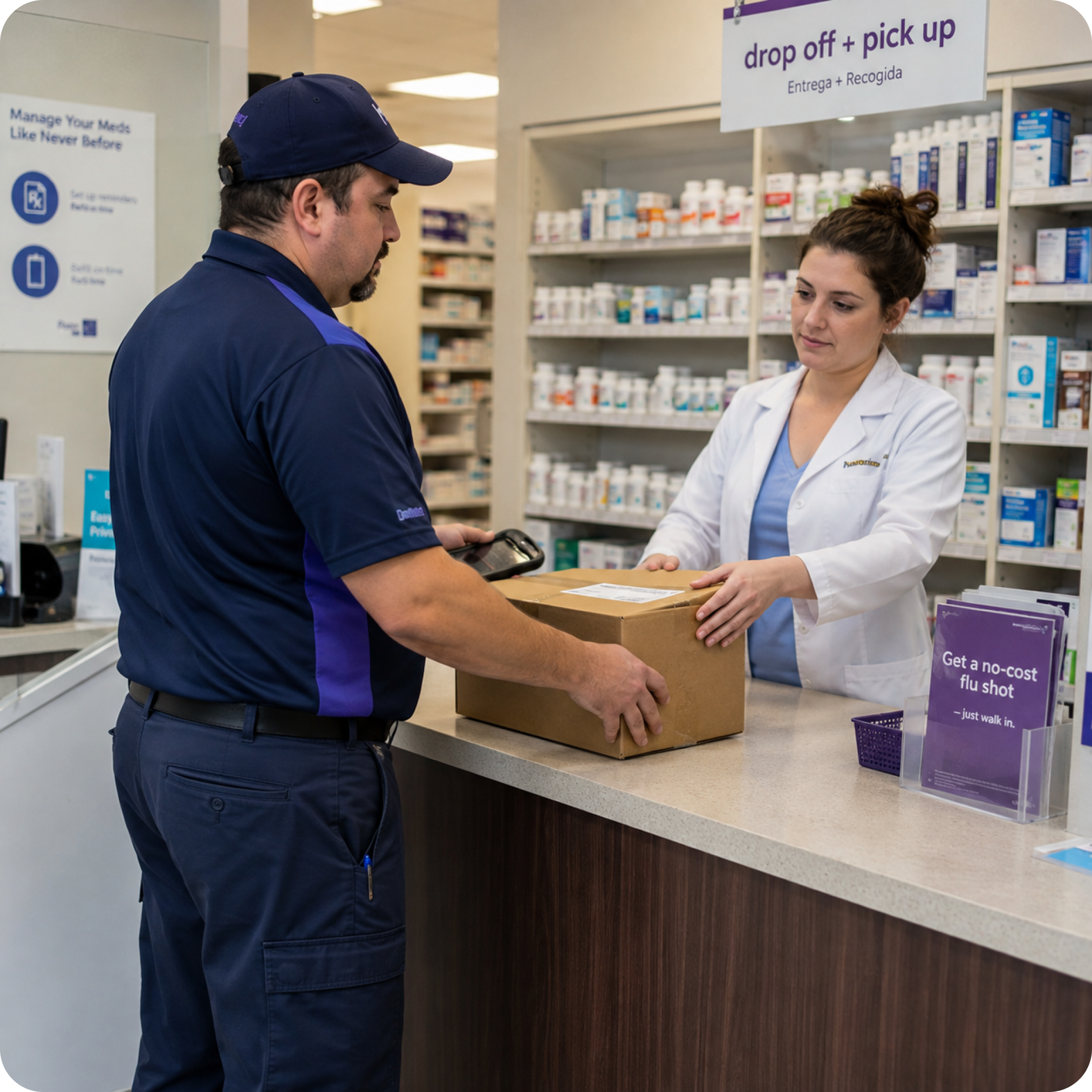
Medical courier work sits in a useful spot: demand is steady, the routes are local, and the barrier to entry is lower than most people expect. Pharmacies, labs, and clinics all need someone reliable to move prescriptions, specimens, and supplies on time — and many of them would rather hire a dedicated courier than manage their own drivers.
If you're wondering how to start a medical courier business, this guide walks through the practical steps: what the work involves, what you need to get legal, how to find your first clients, and how to plan deliveries so the day doesn't fall apart when the schedule gets busy.
A medical courier picks up and delivers time-sensitive healthcare items — prescriptions, lab specimens, blood samples, medical equipment, and documents — between pharmacies, labs, hospitals, clinics, and patients' homes.
It's different from regular parcel delivery in one important way: the cargo is often urgent and sensitive. A late lab specimen can be unusable. A missed prescription can mean a patient goes without medication. That's exactly why healthcare providers pay for couriers who show up on time, every time.
For most people, the appeal comes down to three things: consistent recurring work, local routes that get you home each night, and clients who value reliability over the lowest price.
You can start small — one driver, one vehicle, a handful of local accounts — and grow as you sign more clients. Same-day and stat (urgent) deliveries usually pay more, and same day prescription delivery is a service more pharmacies want to offer without hiring in-house drivers.
Requirements vary by state, so check your local rules first, but most medical couriers need to cover:
Clients will ask about this before they sign, so having it sorted early makes you look professional and shortens the sales conversation.
You don't need a fleet to start — a reliable car or van is enough for most local routes. What matters more is the equipment that keeps cargo safe and compliant:
If you'll carry temperature-sensitive medications, it's worth reading up on how to protect the cold chain on a route — this guide on planning a pharmacy route for temperature-sensitive medications is a good starting point.
Your best early clients are local and specific. Start with:
Reach out directly — a short call or visit to the office manager often beats a cold email. Lead with reliability and compliance, not price. Recurring accounts (daily lab runs, weekly pharmacy routes) are what make the business predictable, so prioritize them.
Most medical couriers price by a mix of distance, delivery speed, and volume. Common models include per-stop rates, per-mile rates, flat routes for recurring accounts, and premium pricing for stat (urgent) deliveries.
Recurring routes give you a stable base; stat and same-day jobs add higher-margin work on top. Price for reliability — clients paying for medical delivery expect it done right, and they'll pay a fair rate to avoid the risk of a late or lost delivery.
This is where new couriers either save hours or lose them. When you have five stops, a maps app is fine. Once you're running 20, 40, or 60 stops with time windows — a lab pickup by 10 a.m., a prescription drop before noon — planning by hand turns into wasted miles and missed windows.
A dedicated medical courier app or route planner takes your stop list, sequences it into the most efficient order, and accounts for time windows and priorities so urgent items go first. Instead of guessing the order and backtracking across town, you follow a clean route and know your ETAs.
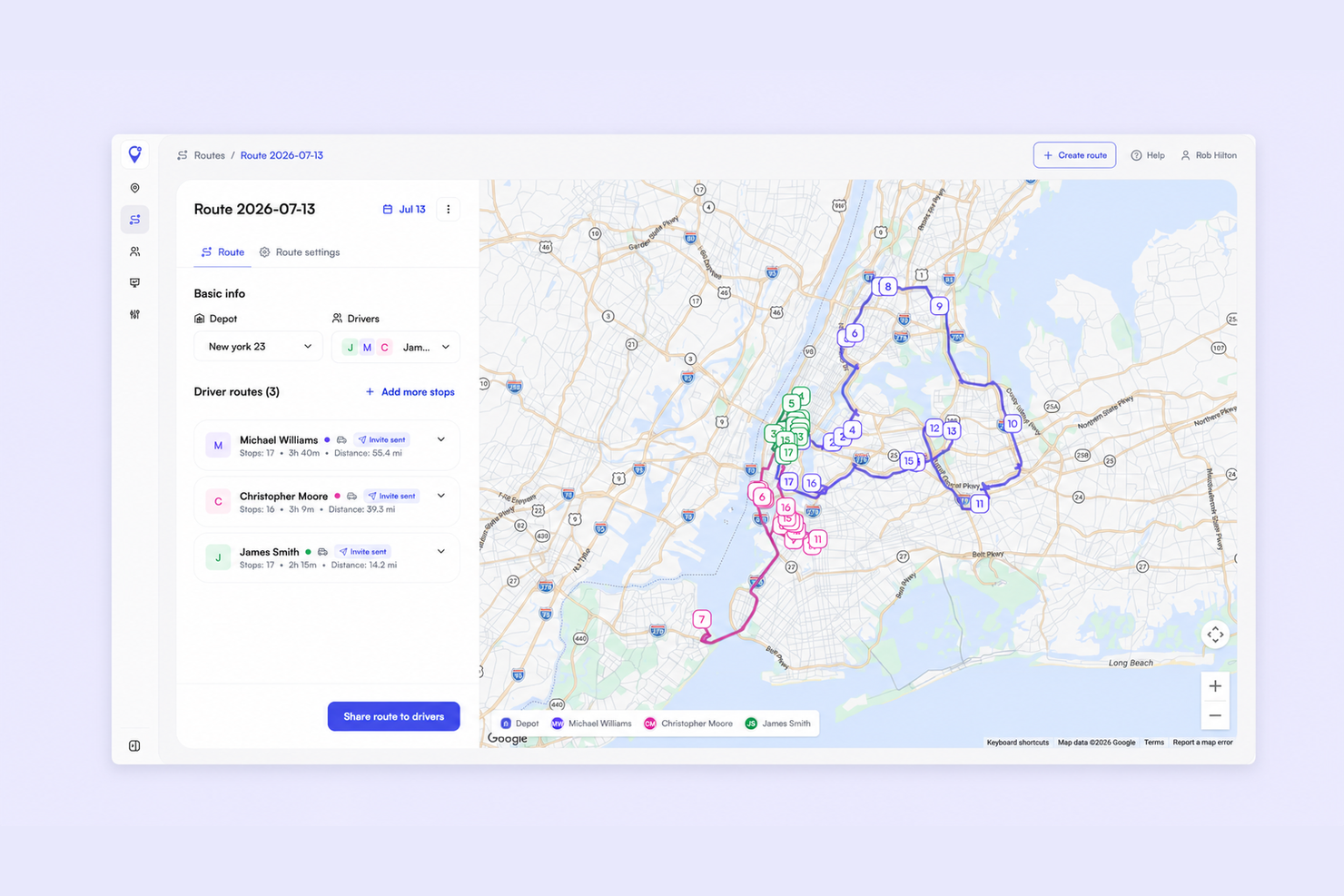
That's exactly the problem Optiway solves for medical and pharmacy delivery. Import your stops, optimize the route in seconds, attach notes like gate codes or cold-chain instructions to each stop, and keep the whole day on schedule. As you add drivers, the same plan scales across the team. New to running a delivery operation? Our guide on dispatching vs routing is a useful primer.
How much does it cost to start a medical courier business?
You can start lean — business registration, commercial insurance, a reliable vehicle, and basic cooler equipment. The biggest ongoing costs are insurance and fuel, not startup fees.
Do I need to be HIPAA certified?
There's no single "HIPAA certification," but you'll handle protected health information, so you need to understand HIPAA handling and complete any training your clients require.
What software do medical couriers use?
Most use route optimization software or a medical courier app to sequence stops, manage time windows, and confirm deliveries — this is what keeps a growing route on schedule.
How do I get my first clients?
Start local: independent pharmacies, labs, and clinics that need reliable delivery but don't want to hire drivers. Lead with reliability and compliance.
Getting the business set up is step one. Running it profitably comes down to how well you plan each day. When you're ready to stop sequencing stops by hand, Optiway helps medical and pharmacy couriers build optimized routes in minutes — see how it works for pharmacy and medical deliveries, or try it free and plan your next route today.
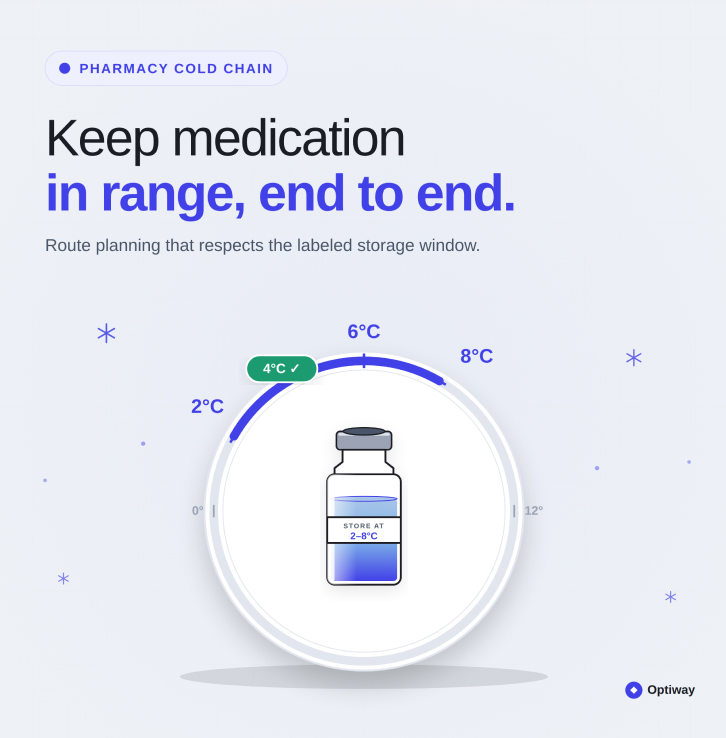
How to Plan a Pharmacy Route for Temperature-Sensitive Medications
Keep temperature-sensitive medications safe with a route planned around every stop.

Dispatching vs Routing for Small Businesses
Why most small delivery teams get more value from better routes first.
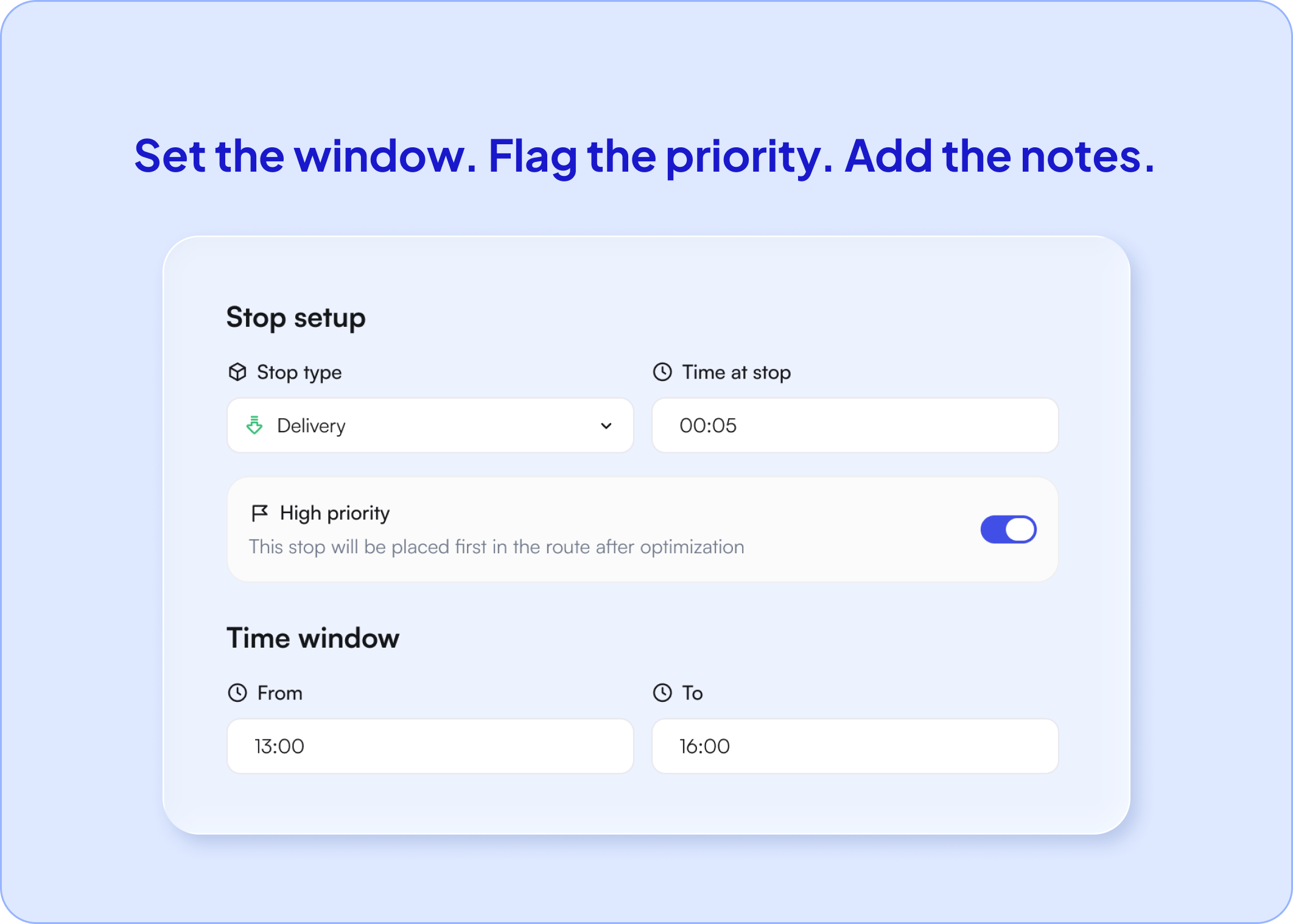
Pharmacy & Medical Delivery Route Planner
Fast, secure, on-time medical deliveries with optimized multi-stop routes.
Plan, assign and track every driver — live, from one dashboard.