How to Plan a Pharmacy Route for Temperature-Sensitive Medications
How to plan a pharmacy route for temperature-sensitive medications without turning each stop into a risk. Optiway helps keep routes tighter, cleaner, and easier to time.

Delivery & Couriers
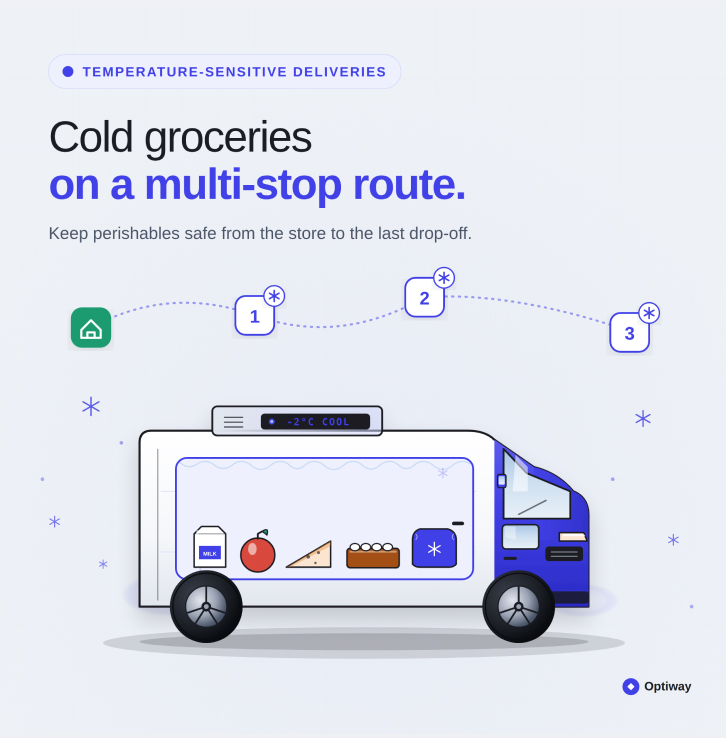
If you are searching for how to keep groceries fresh on a route with multiple stops, the answer starts long before the first bag goes into the vehicle. Freshness is not only about coolers and ice packs. It is also about stop order, timing, and reducing the minutes perishable items spend sitting in a warming car. Once perishable food spends too long in the temperature danger zone, bacteria can multiply quickly, and the margin for error gets small.
A route with one stop is simple. A route with five, ten, or twenty is a different game. A few extra errands, one badly placed detour, or a long pause before unloading can turn a normal grocery run into a food safety problem. That is why the smartest grocery routes are built around perishables first, not convenience first. Cold and frozen foods need planning, insulated storage, and fewer unnecessary delays.
Cold foods do not stay safe forever once they leave refrigeration. Bacteria grow fastest between 40°F and 140°F, and in that range some can multiply quickly. Perishable foods should not stay out at room temperature for more than two hours, and the safe window gets tighter when temperatures climb.
That changes how a multi-stop route should be planned. Shelf-stable items can handle a longer ride. Yogurt, milk, seafood, meat, poultry, frozen meals, and deli items should be treated as the most time-sensitive part of the run. If those products are riding around while the route zigzags across town, freshness drops faster than most people expect. A safer process is to pick up hot and cold items as late as possible, use insulated bags or containers, add ice or ice packs, and keep food shaded if more stops are unavoidable.
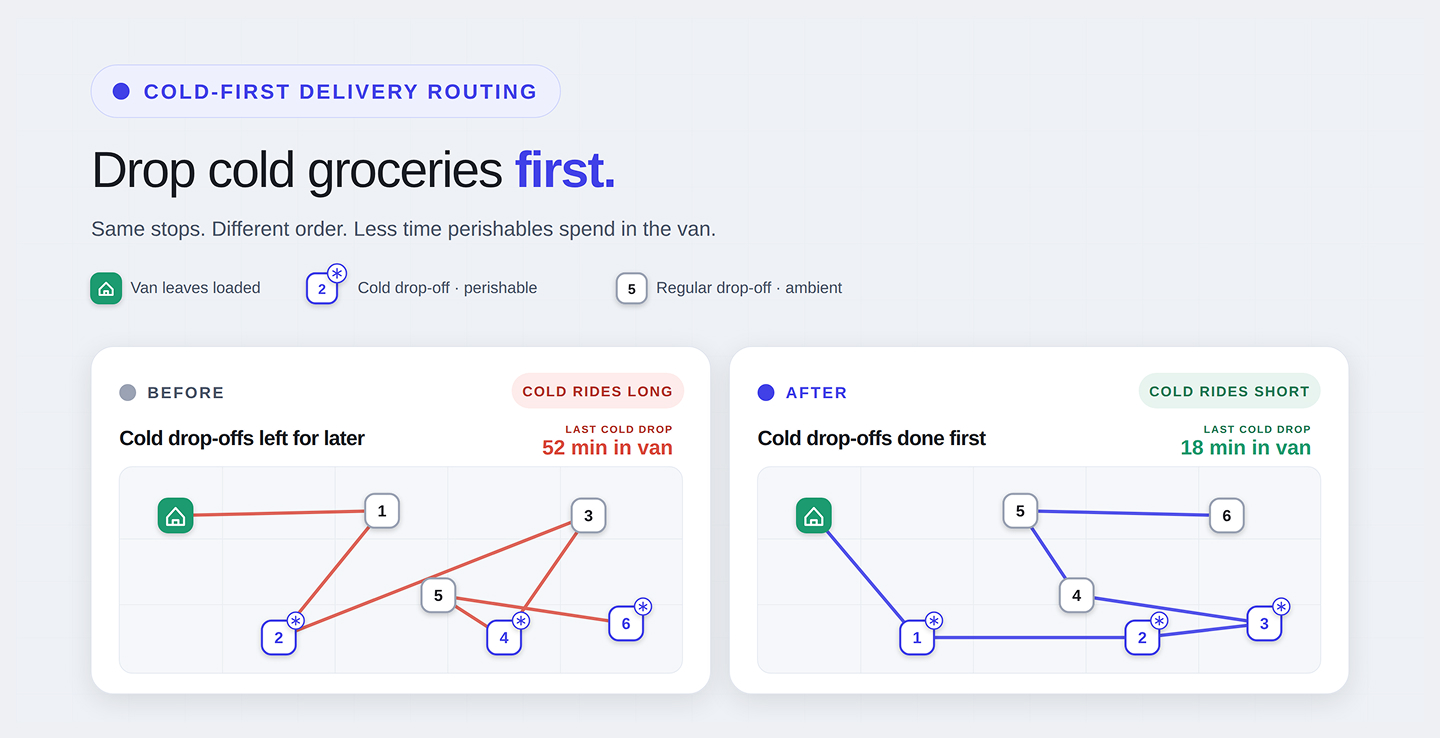
One of the simplest ways to reduce risk is to separate pickup logic from delivery logic. If the route includes shopping or pickup stops, non-perishable items should usually come first, while meat, poultry, dairy, seafood, and frozen products should be picked up closer to the end of the pickup process. That shortens the time those products spend unrefrigerated.
For delivery routes, the logic changes once cold groceries are already loaded in the vehicle. The most sensitive orders should not simply sit until the end of the run. They should be placed in the sequence where they spend the least practical time in transit, especially when the order includes frozen goods, raw proteins, or dairy. The route should not send ice cream on a scenic tour. It should not leave raw chicken waiting through an extra cluster of low-priority stops. A good route protects the cold chain by making the stop order work for the groceries, not against them.
Insulated bags are not a backup plan. They are part of the system. Chilled and frozen items need insulated storage with cold packs or other reliable cold sources, because that combination gives you more time and more stability when the day gets messy.
For multi-stop grocery runs, it helps to split bags by temperature need. Frozen items should travel with the strongest cold retention. Dairy and deli foods should stay together in another insulated zone. Raw meat, poultry, and seafood should be bagged separately to reduce cross-contamination risk. This separation helps protect ready-to-eat foods, produce, reusable bags, and vehicle surfaces from leaks or temperature-related problems.
A small mistake here can spread. If a package leaks, it is no longer just one item at risk. It can affect produce, ready-to-eat foods, reusable bags, and surfaces in the vehicle. Separate packing is one of those boring habits that quietly prevents a much bigger problem later.
Even when outdoor temperatures feel manageable, the inside of a vehicle can climb faster than people assume. Without air conditioning, the inside of a vehicle can become hotter than the outside temperature, and sensitive foods such as raw meat, milk, and eggs can reach unsafe temperatures quickly during hot summer days.
That means every extra minute matters. If a route includes multiple stops, keep perishables out of direct sun, use the coolest part of the vehicle available, and avoid letting groceries sit in a parked car while another errand stretches longer than expected. Once the trip is over, unload immediately, especially on hot days when perishables need to be refrigerated as soon as possible.
This is where route planning stops being a convenience tool and becomes a freshness tool. The more backtracking, missed turns, and awkward stop order a route creates, the longer cold groceries sit in transit. Optiway is built for multi-stop route optimization, so stop lists can be reordered into a more efficient sequence, with stop-by-stop ETAs and quick route edits when plans change. Priority sequencing, notes for each stop, and navigation handoff to map apps all help keep the run cleaner and tighter.
For anyone handling recurring grocery runs, a messy route is not just annoying. It can mean warmer dairy, softer frozen goods, and longer exposure for meat and seafood. A tighter stop sequence reduces unnecessary loops and cuts down the idle time that slowly eats away at product quality. That is why planning how to keep groceries fresh on a route with multiple stops should include the route structure itself, not just cooler bags in the back seat. If you want a practical way to organize grocery stops more cleanly, this page is the best internal fit for the topic: grocery and food delivery route optimization with accurate ETAs. It focuses on multi-stop sequencing, ETAs, and route changes that help keep grocery runs more controlled from the first address to the last.
The most reliable grocery routes usually follow a plain routine:
Each step is simple on its own, but together they create a route that protects freshness much better than improvising along the way.
That is the real answer to how to keep groceries fresh on a route with multiple stops. It is not one trick. It is a chain of small decisions that keep time, temperature, and stop order working in your favor. When the route is built well, the groceries have a much better chance of arriving the way they should – cold, safe, and ready to put away.
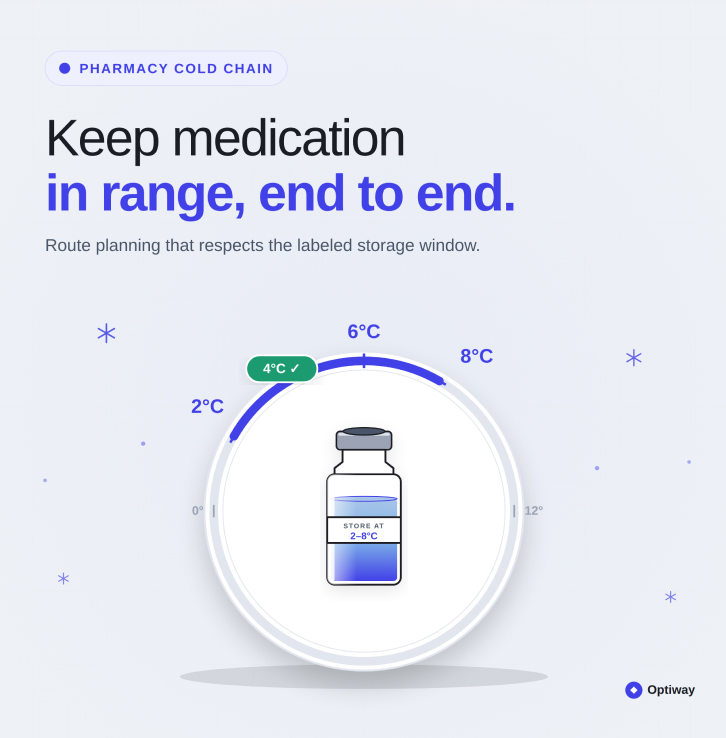
How to Plan a Pharmacy Route for Temperature-Sensitive Medications
How to plan a pharmacy route for temperature-sensitive medications without turning each stop into a risk. Optiway helps keep routes tighter, cleaner, and easier to time.
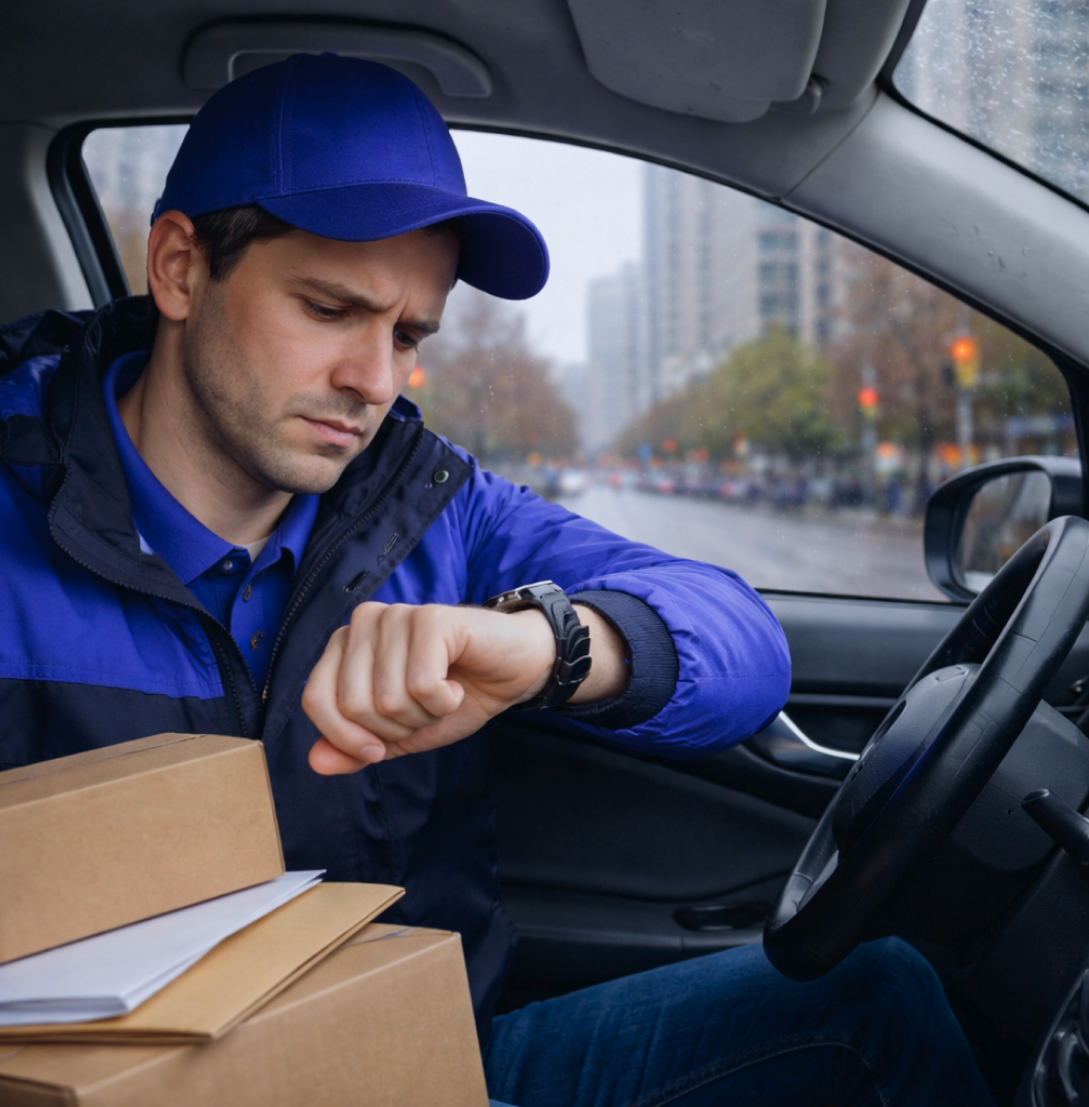
Delivery time windows - how to avoid late arrivals and waiting
Optiway turns delivery time windows into a route plan you can actually keep — fewer late arrivals, less waiting outside locked doors, more predictable days.
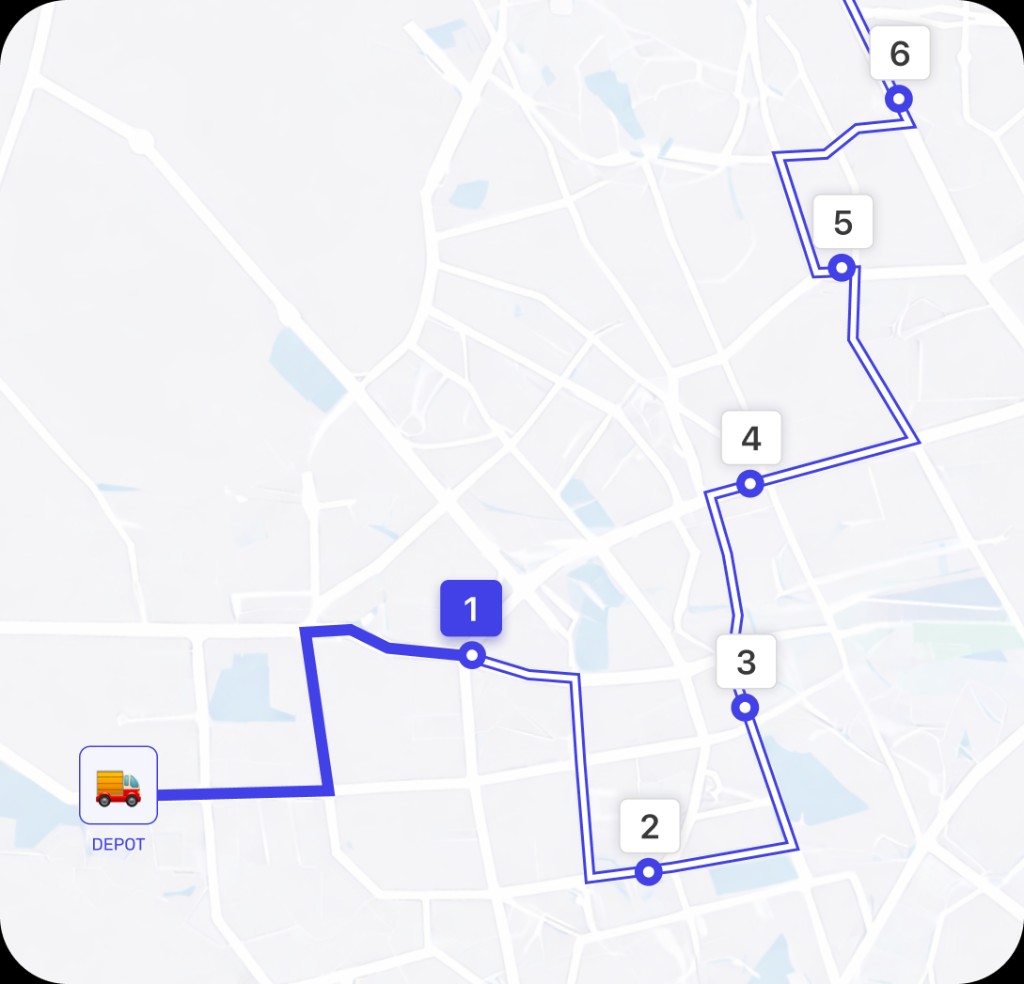
Why Google Maps Falls Short for Truck Routes
Where a navigation app stops being enough for commercial multi-stop routing.
Plan, assign and track every driver — live, from one dashboard.